Skip to content
Our promiseCare you can trust
Modern, Trusted DentistryHonest Advice. Your Best InterestConfidence in Your SmileClear Pricing. No Surprises

Can a dentist put you to sleep?

Does the thought of being in the dental chair make you feel anxious? Does it get too intense sometimes that you miss your dental visits?
Have you considered being put to sleep while your dentist treats your mouth?

Many people have dental fears and anxieties. It might surprise you, but even dental professionals sometimes feel tense about getting their mouth seen.

It can be tough to manage the discomfort, let alone get yourself to see your dentist. But delaying necessary dental procedures can only hurt your oral health.

Sedation dentistry may be able to help you receive the care you need more comfortably.

Can my dentist put me to sleep during treatments?

Yes, your dentist can put you to sleep during treatments. However, your dentist will begin looking at conscious sedation options first.

Conscious sedation involves using medications to help you relax during a dental procedure. It’s ideal for patients who feel anxious, nervous, or cannot sit still during dental visits.

You may still be able to communicate with your dentist or respond to verbal commands. The effects of conscious sedation vary depending on the type, dosage, or combination of medications used.

But not everyone can receive conscious sedation. Your dentist first reviews your oral and overall health history and medical conditions. They may not recommend putting you to sleep if you’re allergic to the ingredients in medications or at a high risk of showing adverse reactions.

This is also why a thorough assessment is crucial before undergoing any dental procedure.

What can I expect from getting conscious sedation?

Here’s a quick overview of conscious sedation and what you can expect from the process.

  • The delivery method varies. Your dentist may administer the sedation orally or intravenously. If you only need mild sedation and don’t require being put to deep sleep, your dentist may look into laughing gas or inhaled sedation.
  • It’s safe, but there are potential side effects. Like any medication, sedation options also come with side effects. You may feel drowsy, heavy, or sick. But, overall, dental sedation is safe provided you receive it from experienced dental care professionals. Your dental team also orients you of the possible effects ahead of your procedure and whether you’ll need special care or assistance.
  • The side effects differ. How the body responds to the sedative can vary from one person to another. A sedative may cause you to feel relaxed or sluggish. It may also delay your reflexes, make you smile often, or have little to no recall of the procedure.
  • Recovery from sedation is quick. The effects of mild sedation last while you’re inhaling the gas. But for stronger sedatives, you may need to stay in the dental office for a while so your dentist can monitor your vital signs. You also need to have someone keep you company for the rest of the day or until the effects of the sedation wear off. This means you won’t be able to drive or commute back home by yourself.
  • Preparation may be needed. Your dental care team provides instructions to prepare you for the procedure. You may need to fast for a couple of hours before your visit and wear-loose fitting clothes to feel more comfortable.
  • Sedation isn’t only for managing anxiety. Sedation isn’t only beneficial for people with dental anxiety or fear. It can also be helpful for those diagnosed with medical conditions and cannot receive dental treatments without intervention. Using sedatives makes it possible for this vulnerable group to undergo dental care procedures more comfortably.

Is dental sedation different from general anesthesia?

Both sedation and general anesthesia can be used for dental procedures. But they’re not the same.

Sedation uses medications to make a person feel more relaxed in the dental chair. Patients are usually still aware and awake throughout the procedure.

General anesthesia, meanwhile, results in loss of consciousness. Patients are asleep and aren’t aware of what’s happening in their surroundings.

Administering general anesthesia also requires the expertise of a general anesthesiologist who determines the right dosage for the medication.

Do I need to be put to sleep for my dental procedure?

If you’re concerned about receiving dental treatment, we’re here to help. To learn more about sedation dentistry or making your next appointment anxiety-free, contact us today.

Our dental offices are in Pinehurst and Woodlands, TX, and new patients are always welcome. Let’s look into options to make each of your visits a positive experience.
Click here to learn more about sedation or call our Pinehurst or Woodlands office today to book a complimentary consultation: (281) 356-3351 in Pinehurst, (281) 367-3685 in Woodlands or request online here.

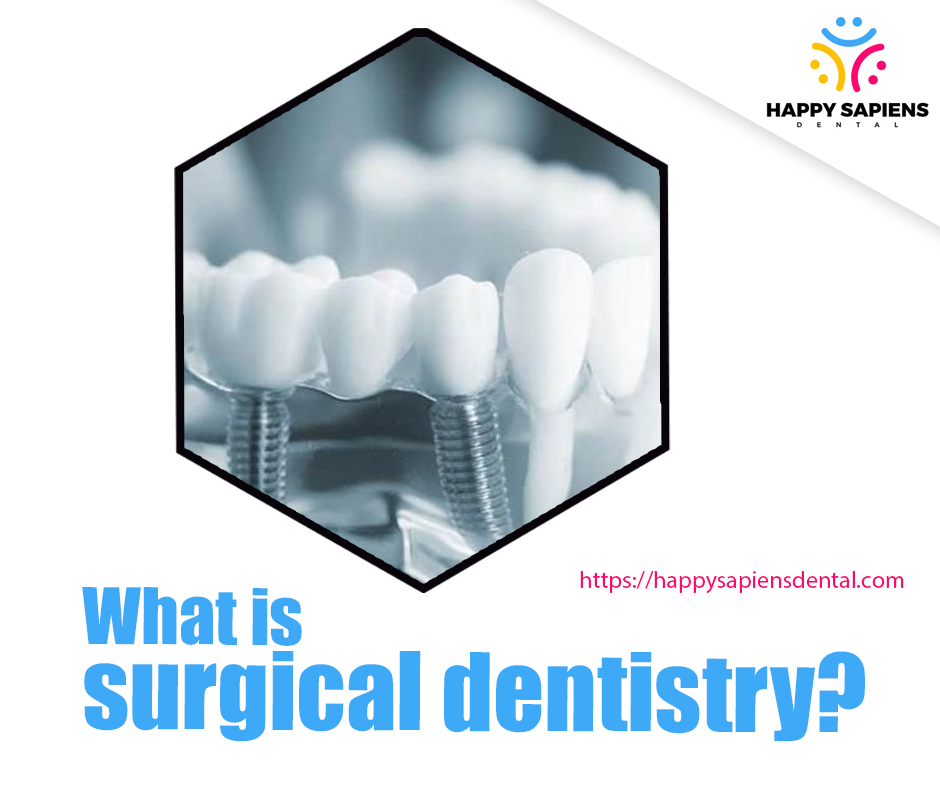
What is surgical dentistry?

Do you feel anxious when you hear your dentist say dental surgery? It may elicit panic or reluctance, but know that dental surgeries are safe and common procedures.

What is surgical dentistry?

Surgical dentistry involves diagnosing and treating various oral health issues. Most procedures can be done on an outpatient basis and don’t require long downtime.

One common example of dental surgery is tooth extraction. If you’re a potential candidate for dental surgery, your General Dentist may refer you to an oral surgeon.

Your dentist evaluates your condition and prepares an individualized treatment plan. Sometimes surgery is required not because of oral health diseases, but due to an accident or severe dental trauma.

Before proceeding with any surgery, your dentist walks you through the process and potential risks. Here at Happy Sapiens Dental, we talk about how we can make your experience more comfortable so you can receive the care you need with ease.

Different types of dental surgeries

Here are some of the most common types of dental surgeries.

  • Root canal therapy. Root canal treatments are done to save natural teeth. The procedure can be completed in a single dental visit. Your dentist may recommend it if the pulp becomes infected and damaged. Left untreated, this can result in swelling and severe pain that extends to the neck and jaw. Learn more about root canal therapy.
  • Wisdom tooth extraction. Wisdom tooth extraction is recommended if there’s not enough room to accommodate the tooth or teeth, which can lead to impaction and issues associated with it. Wisdom tooth extraction is an outpatient procedure, and you can go home right after. However, resting for a few days is necessary before resuming normal activities.
  • Dental implants. A dental implant offers a permanent solution to one or several missing teeth. It uses a titanium screw to replace the roots, which then provides support for the replacement tooth. The metal is fused to the jawbone before placing tooth restorations and completing the process. Overall, this surgical procedure can take around six months to finish.
  • Reconstructive procedures. The mouth may require reconstructive surgery due to severe trauma. A person may sustain injuries on the cheek, lips, or tongue, or lose one or several teeth. The extent of the surgery depends on the overall damage to the mouth. Working with an oral surgeon is crucial to determine the best solution so you can restore the health and appearance of your mouth in the shortest time possible.

Do I need dental surgery?

If you see irregularities in or around your mouth, book an appointment with your dentist to see if immediate attention or any treatment is required. If your dentist suspects you may need dental surgery, they may refer you to an oral surgeon.

Both General Dentists and Oral Surgeons work on the teeth and their roles may overlap at times. But usually, dentists perform common dental procedures while oral surgeons take care of highly specialized, complex, or rare cases.

See a dentist in Pinehurst or Woodland, Texas, today

Learn more about surgical dentistry and why it may be necessary.

Here at Happy Sapiens Dental at Pinehurst or Woodland, Texas, we’re pleased to offer various surgical procedures. Contact us today at (281) 356-3351 for more information.

We look forward to meeting and helping you address your dental concerns.

What’s the proper way to brush my teeth?

Brushing is a key component of your daily oral hygiene routine. But the benefits you can enjoy from it depend on how well you do it.

Using a manual or electric toothbrush; proper brushing is crucial to reducing plaque buildup on tooth surfaces and prevent decay, cavities, gum disease, and even bad breath. In this post, we’ve compiled tips on how to brush your teeth properly. Let’s dig in.

  1. Choose a soft-bristled toothbrush. Toothbrushes come in different bristle types. Choose soft bristles when shopping for a new one. Going for hard bristles doesn’t necessarily mean you’ll be able to remove more debris from your teeth. Aggressive brushing can cause the enamel to erode, which can later result in discoloured or sensitive teeth. You can still remove debris from your mouth with a soft-bristled brush provided you’re using the right techniques.
  2. Replace your brush regularly. Switch to a new toothbrush after 3-4 months or once your current one starts to show signs of wear. A worn or frayed toothbrush will no longer clean properly. Look for a toothbrush that has a comfortable handle, has the right size head, and will be able to reach all tooth surfaces, especially the back molars.
  3. Use the recommended amount of toothpaste. Fluoride toothpaste strengthens the enamel, but you’ll want to limit the amount you’re using when you brush. For children below the age of two, a smear should be enough. For the rest, a pea-sized amount should do.
  4. Begin with outer teeth surfaces. Position your toothbrush at a 45-degree angle against your gums and target outer teeth first. Gently move your brush back and forth in shorter strokes, making sure to cover every tooth. Tackling every tooth at once will help prevent missing spots and remove as much debris as possible.
  5. Move to inner teeth surfaces. Once you’re done with the outer teeth, you can proceed to clean inner teeth surfaces. Don’t skip these parts even if they’re not visible. Plaque and tartar can also build up on them and lead to tooth problems. When cleaning back parts of your teeth, tilt your brush a bit and move it gently in up and down strokes.
  6. Next, clean chewing surfaces. Chewing surfaces of molars have deep grooves where debris can penetrate and be hard to remove. Brushing is your first defense against this potential issue. Spend time brushing your molars using small, back and forth strokes.
  7. Include your gums and tongue. Don’t forget to include your gum line when brushing as debris can also linger in these areas. The last step is to brush your tongue as harmful bacteria is found there too.

Nobody wants to deal with sore teeth and gums. You can keep your mouth healthy by brushing your teeth properly at least twice a day and maintaining good dental care habits.

If you have specific concerns, such as tooth sensitivity, talk to your dentist about the right products to use. For more dental care-related questions or if you’re looking for a new dentist in Pinehurst or Woodlands, Texas, please feel free to contact us at Happy Sapiens Dental or call (281) 356-3351

How to overcome dental anxiety

Do you feel anxious at the thought of dental visits? Have you had negative dental encounters in the past?

These experiences may cause you to delay or skip appointments. But this tactic is unsustainable and will result in bigger issues down the road.

Here at Happy Sapiens Dental, we see several patients with anxiety. We acknowledge it, but we also encourage you to not let it keep you from receiving necessary dental care.

Here are a few tips to help you overcome dental anxiety:

  • Be on time, but not too early. You’ll want to avoid staying too long in the lobby. We also do our best to keep appointments running on time to reduce the client’s wait time. Let us know if you feel anxious about being in the dental office. We can arrange to have you come inside only when it’s your turn to see the dentist.
  • Ask your dental team about what you can expect. You may be feeling anxious because you don’t know what to expect during your appointment. It helps to talk to your dental team about the entire process. Let them know how you’re feeling. They can talk to you about the steps involved in your procedure, how long it’ll take, and what you can do to feel more comfortable.
  • Discuss sedation with your dentist. There are options to help you relax at the dental office. Here at Happy Sapiens, we want to make sure you feel comfortable throughout your dental visit, and we offer the option of sedation. Mild to moderate sedation can make you feel more at ease during your visits and is available in different formats. We can choose one depending on your anxiety level or the extent of your procedure.
  • Join online forums for people experiencing the same. The online community can also be a wonderful free resource to help you manage your dental fears. Try signing up in one and see what members do to help themselves calm down when they have upcoming dental visits.
  • Bring a friend. It’s okay to keep company if that helps you relax at the dental office. You can listen to calming or fun music, read a book, watch entertaining videos, or talk about anything to keep your mind off your procedure.
  • Try relaxation techniques. You may also try relaxation techniques before your dental visits to help you calm down. Check out free resources or ask people within your network about meditation or calming techniques they’re using.

Dental anxiety is common and it happens to many people

Our dental team here at Pinehurst and Woodlands, Texas, have plenty of experience working with anxious and nervous clients.

Let’s work together to make each of your dental experiences a pleasant one. By speaking up and sharing your pain points and biggest concerns, we can provide you with better quality of care. We’re here to support you.

Take the first step in overcoming your dental anxiety, call us today at (281) 356-3351 to get started.

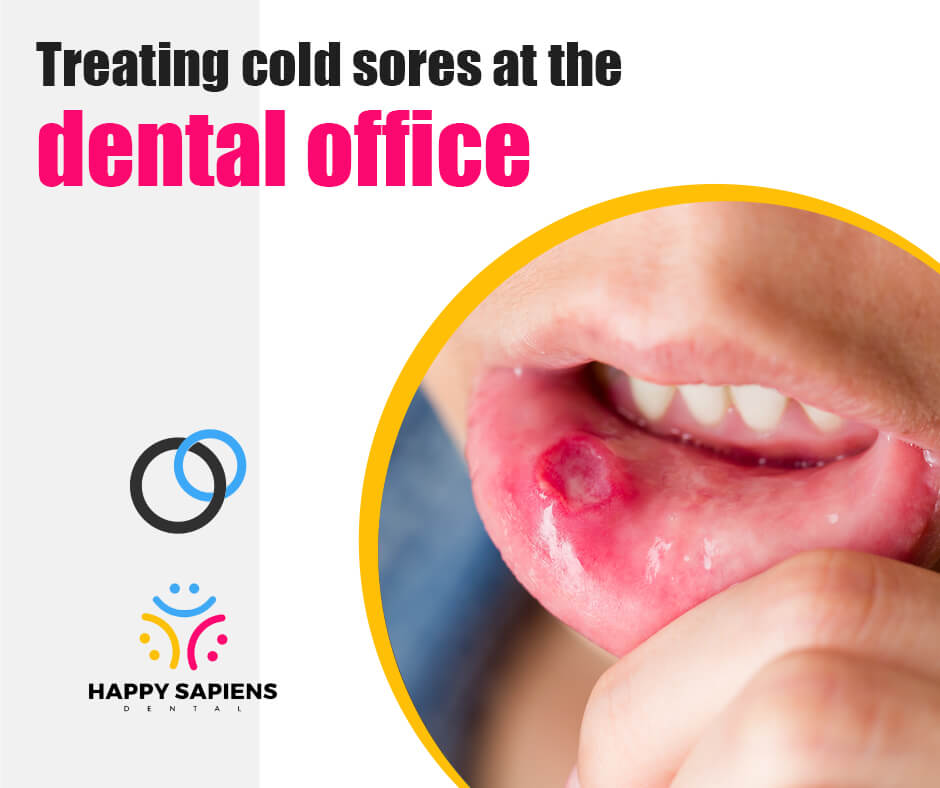
Treating cold sores at the dental office

Cold sores can be painful, annoying, and unsightly. Nobody wants them but they’re a common condition. Anyone may have them at some point, including children.

Cold sores are sometimes confused with canker sores. Both can appear in the mouth area, but they’re different in many ways.

Below, we talk about cold sore causes and possible treatments at the dental office. Let’s get started.

What are cold sores?

Cold sores, also called fever blisters, appear in the mouth or facial area. They usually start as red, fluid-filled patches.

Cold sores are caused by a virus called herpes simplex and may remain inside the body and appear again. Unlike canker sores, they’re highly contagious and can spread quickly through close contact.

Cold sores typically clear up within two weeks or longer. There’s no single cure for them, but some treatments may help speed up healing and keep them from coming back again.

How do you know if you have cold sores?

Cold sores usually start with a tingling sensation in the area. Then, the sores start to appear.

You may notice lip swelling or lesions in your mouth. You may also begin to feel flu-like symptoms, such as sore throat, difficulties swallowing, and fever.

Your dentist can look at the blisters and confirm if they’re cold sores. The sores usually feel itchy and may also sting. The blisters also contain fluid that drains after a few days. Afterward, they dry out, crust over, and heal.

What triggers cold sores?

Here are some factors that can cause cold sores to appear again:

  • Cold or fever
  • Weakened immune system
  • Stress
  • Excessive sun exposure
  • Menstrual cycle
  • Pregnancy
  • Dental work
  • Close contact with someone infected

Keeping cold sores from spreading

You may ease cold sore-related discomfort from home by applying ice or a damp washcloth in the area. You may also take over-the-counter medications to help ease the pain.

To prevent the virus from spreading, avoid touching the area, always wash your hands, and refrain from making close contact or sharing utensils or personal items with others.

It also helps to monitor triggers so you can take precautionary measures.

Treating cold sores at the dental office in Woodlands, TX

You may also seek treatments for cold sores at the dental office through laser dentistry.

The best time to receive treatment is when you start to notice signs or symptoms. This helps the sores to clear out faster and shortens the duration of future outbreaks.

Laser treatments can destroy the virus causing cold sores and it from progressing further. You’re also likely to feel immediate relief.

While the sores may still appear even after receiving laser treatments, chances are they won’t show up in the same spot anymore, and recurrences may also become less frequent and milder.

Overall, the procedure is quick, painless, and requires no downtime too. You don’t have to wait for weeks for the sores to heal. Laser treatments can speed up the process. Learn more about cold sore prevention and treatment in Pinehurst and Woodlands, Texas. Contact us today at (281) 356-3351 to schedule your consultation with the dentist.

The Risks Involved With Dental Implants – If Any

The term dental implant refers to a structure that is implanted in the jaw to serve as a replacement for missing or damaged tooth roots. This structure will become the base for any number of tooth prosthetics, such as crowns.

Dental Implantation is a common procedure with Americans getting an estimated half-million dental implants each year. The success rate for this dental procedure is in the 90th percentile so complications and risks are rare with this form of dental treatment. Although risks are low with dental implants, it’s always important to understand what risks involved are possible with any procedure.

Because dental implantation is a surgery, the risks involved that come with any surgery apply to implants. If you have an existing medical condition that would make you especially vulnerable during surgery or recovery, you should take the same precautions when planning to get implants. Conditions that can make surgery or recovery risky include, cancer, diabetes, or other chronic illnesses. Your dentist should have full medical knowledge of your conditions.

Additionally, elderly people, children, or anyone, for that matter, who may have difficulty maintaining oral hygiene during healing from implants, may be at risk for infection.

An additional risk to consider when thinking about getting implants is if bone grafting will be required. Your dentist will know if this is something you need to consider and explain how bone grafting works and if your jaw is strong enough to handle the procedure.

The most important thing is, to be honest with your dentist and anyone else who is taking part in your dental and overall health care. Asking questions to find out if you’re a good candidate for implants, is the best approach to eliminating as many risks as possible.

I’ll be happy to answer your questions or have you come in and give you a FREE Dental Implant & Healthy Smile Consultation without any obligation.

To schedule a time to come in, call us at (281) 356-3351

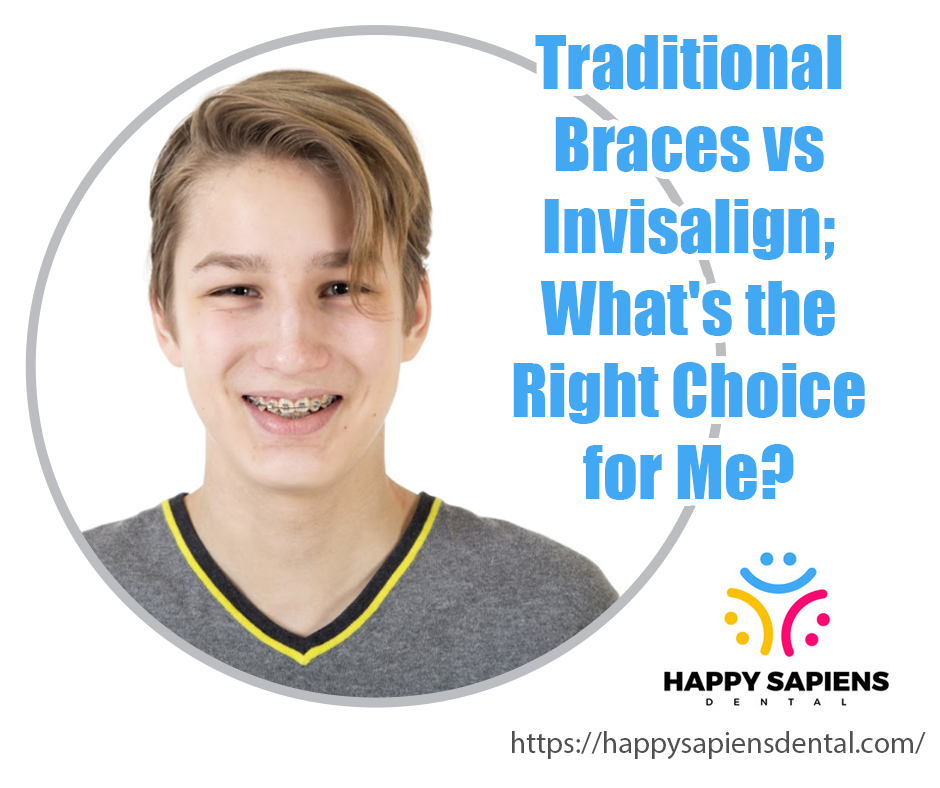
Traditional Braces vs Invisalign; What’s the Right Choice for Me?

In 1728, French dentist Pierre Fauchard, who is often credited with inventing modern orthodontics, published a book entitled “The Surgeon Dentist” on methods of straightening teeth leading.

Orthodontics is the treatment of irregularities in the teeth (especially of alignment and occlusion) and jaws and includes the application of braces.

Modern braces come with different variation of materials like, metal (traditional braces), ceramic braces, lingual braces and self-ligating braces.

But you may have heard there’s another alternative to traditional braces called Invisalign.

And you might first wonder, What is Invisalign?

Also called clear aligners, Invisalign was invented in 1997 by two Harvard students, Zia Christi and Kelsey Wirth. These two brilliant people invented and founded the invisalign Technology®.

Invisalign is also classified as a brace, though they do not look like traditional braces as they are clear, and nearly invisible, thus the name.

WHAT IS INVISALIGN AND HOW DO THEY WORK?

  • The dentist takes a 3D image of your mouth and shows you using software what your smile will look like after the treatment.
  • Multiple aligners are made to take your teeth from where they are to where you want them to be over the course of the treatment, a little change at a time.
  • Invisalign is transparent and therefore most people won’t notice you’re wearing them.
  • They can be removed easily.
  • Easier to continue regular dental hygiene, brush, and floss as normal (meaning do it daily).
  • Custom trimmed to gum line for a more comfortable fit.
  • Often take less time than traditional braces.

Traditional Braces

  • Effective method to straighten even severely maligned teeth.
  • Made from high-grade stainless steel.
  • Tends to be more affordable than Invisalign.
  • Dentists usually recommend traditional braces for those who have overcrowded teeth.
  • Better choice for people who can’t or won’t remember to wear their Invisalign 22 hours a day.
  • Invisalign is an innovative class of braces but it is not a perfect tool. Though it is a high-tech tool for fixing your smile it still has its drawbacks. For example: it turns yellow when you casually smoke or drink soda, it is often more expensive than traditional braces, and you must remember to put them in and remove them while eating.

Traditional braces are the go-to for many dentists, especially for teenagers and children. Same as Invisalign, traditional braces are not perfect either. There are issues with eating; especially crunchy and sticky foods, wires tend to loosen, it usually takes 1 – 3 years depending on the patient’s case. These are just some examples of the cons of having traditional braces.

Whichever method you choose, don’t hesitate to gain the confidence and healthier life that a beautiful, straight smile can bring. We would love to help you achieve this.

Visit our website or call today at (281) 356-3351 to book your assessment and start on the path to a brilliant smile.

Your bright smile may need your help!

Do you have dull or discolored teeth? Do they make you want to hide your smile, maybe talk with your hand in front of your mouth? Are you concerned it’s more than just being in need of a cleaning? Don’t worry, you’re not alone.

Many people believe that all they need is an over-the-counter whitening kit if their teeth seem discolored. And often, that’s all that’s needed. However, the factors that had made your teeth “yellow” could indicate a sign of bad health or hygiene, or perhaps environmental influences.

There are many medicines or drugs that can change the color of your teeth. Minocycline (used in the long-term treatment of acne vulgaris, rosacea, rheumatoid arthritis, and periodontal disease) can turn them green-grey or blue-grey. The antibiotics tetracycline and doxycycline, antipsychotics, certain antihistamines, high blood pressure medications as well as mouth rinses and washes containing chlorhexidine and cetylpyridinium chloride can cause teeth discoloration.

Foods like candies, popsicles, tomato sauce, beets, curries, soy sauce and many more, if not properly cleaned can also change the color of your teeth.

Drinks are also common culprits when it comes to staining the teeth, especially those with high sugar and caffeinated beverages. Examples include energy and sports drinks, colas, wines, coffees, teas, and alcohol beverages.

Nicotine in its various forms; cigarettes, vape devices, and chewing tobacco can also discolor the teeth in a very short time as nicotine can aggressively damage the enamel. According to SAMHSA, tobacco chewing also causes gum disease, tooth loss, oral, esophageal, and pancreatic cancers.

Genes are also another factor in this case. Many people may have acquired brighter and thicker enamel from their DNA.

As odd as it seems, too much fluoride is another source of staining of the teeth. This can come from your tap water in municipalities that add it or products like toothpaste and mouthwash. It is important to choose the right toothpaste for your teeth.

Though not as common, certain therapies for diseases such as head or neck radiation and chemotherapy can affect tooth color. And, believe it or not, babies may have the enamel on his or her teeth affected in utero if their mother develops certain infections while carrying them! Amazing!

More typical though is the unfortunate issue of aging for some people. As the enamel in their teeth wears down, the natural yellow color of the dentin beneath the enamel begins to show. Unsurprisingly, trauma to teeth can also cause a change in color whether you are a child or an adult.

But, as you might have guessed, the most common factor or cause of this situation is having poor oral hygiene.

Brushing and flossing regularly can help keep your teeth clean, white and bright. Consistent brushing and flossing, done daily activity, it will bring the natural white color of the teeth back to life!

There are easy ways to help you with keeping (or returning) your confident smile:

  • Proper brushing and flossing at least twice a day.
  • Avoid stain-inducing food and beverage or clean your teeth right away.
  • Visit your dentist every 6 – 9 months for check-ups and cleanings.
  • In-office dental whitening.
  • At-home whitening products. (CHECK WITH YOUR DENTIST FIRST)
  • Dental Bonding.
  • Dental Veneers.

Whatever the reason, if your smile isn’t what you’d like it to be, come in and see us or give us a call at (281) 356-3351 We’d love to give some ideas on how to make it better.

These Four Unhealthy Practices Are Ruining Your Oral Health

These Four Unhealthy Practices Are Ruining Your Oral Health!

Smiles are the universal language of kindness. Pasting one on your face can make someone else’s day. To some, a smile can make or break a first impression. Needless to say, anybody can benefit from a warm smile. Of course, smiles can only do the trick when armed with good oral health. If you have brown or black teeth, obvious bad breath, or a bunch of cavities, the impact of your smile suffers. Of course, smiles can only do the trick when armed with good oral health. If you have brown or black teeth, obvious bad breath, or a bunch of cavities, the impact of your smile suffers. What some fail to consider is there’s more to just teeth when it comes to dental well-being. The gums, tongue, and even the lips need to be cleaned for a healthy mouth.

If you have an oral regimen you stick to, you’re on the right track. However, bad habits may plague your healthy routine. Below are a few of them. Read on and find out the do not’s of good oral health.

Not brushing your teeth regularly

Let’s start with the basics. Brushing your teeth regularly is the bare minimum to a happy mouth. Failing to do so will lead you along a path of oral problems. Dental experts recommend brushing your teeth after every meal — breakfast, lunch, and dinner. This ensures no plaque gets stuck in between your teeth throughout the day.

However, brushing regularly isn’t the only solution. You may be using the wrong toothbrush without your knowing it. Studies have shown hard bristles cause the erosion of protecting the inner parts of your teeth. If the bristles of your toothbrush are anything but soft, it would be best to replace them.

Teeth are not tools

Picture this. You finally get your hands on your favorite snack without a pair of scissors to open the wrapper. Chances are, you’ll use the closest alternative — your teeth. This may not have occurred to you but using your pearly whites as tools is harmful.

It’s no surprise. Teeth are one of the hardest parts of the body. You may, however, have gotten used to the strength they hold. Continuous use of teeth as tools can lead to cracks, or even worse, breaking.

The same also holds true when using your teeth as bottle openers, cracking shells and nuts, and bending wires. So, the next time you think of using them as tools, look around and find the item appropriate for the job.

Chewing on the inedible

The funny thing about this habit is how adults are guilty of it, too. Babies aren’t the only ones doing this. Whether it’s a pen or your own finger, urges to put foreign objects in the mouth can be acted upon without much thought.

Apart from scratching the enamel off your teeth, chewing on the indigestible brings various bacteria straight to the mouth. To anyone with a wounded mouth, harmful bacteria can infect the cut causing further complications. In some cases, bacteria can also lead to halitosis, more commonly known as bad breath.

Smoking

Smoking doesn’t just kill the lungs. A study suggests having a few puffs of cigarette smoke can cause tremendous problems for oral health. Dental experts have concluded cigarette smokers increase their chance of getting gum disease by up to six times compared to non-smokers. Smoking is also known to give you a nasty case of bad breath.

It doesn’t stop there. Smoking also harms the teeth through the build-up of tartar. Doing so disrupts the flow of saliva. This causes bacteria to stick to the recesses of the teeth and gums. When uncleaned, bacteria slowly turn into tartar. The worst thing about this oral atrocity is how professionals are the only ones who can take them out of your mouth.

If you suffer from a smoking addiction, it’s best to break free from it. Otherwise, it may be too late to get back that radiant smile.

The do’s of good oral health

There are a number of ways that lead to a road of dental dilemmas. Thankfully, there are healthy habits known to balance these out to good oral health.

Flossing

Perhaps one of the most underestimated tools to a happy mouth, flossing helps get rid of stubborn plaque unreachable by mere brushing. You’ll be amazed by the wonders a little piece of floss can bring to your smile.

For starters, it helps rid your mouth of tartar buildup. A study suggests flossing also keeps your gums healthy. This can come in handy against signs of gum disease, or worse, gingivitis. Just like any other proper oral practice, flossing saves you a painful and pricey trip to the dentist.

Visiting a dentist

This may not be known to many but your dentist is your best ally in achieving proper oral health. Admit it. There are dental questions racing in your head you just can’t answer yourself. When in doubt, it’s always best to seek professional help.

Forget about the painful treatments for a moment (especially since new technology means they can be a thing of the past). Think about the healthier mouth you’ll get after your visit. Besides, a trip to the dentist every six months is worth protecting yourself from the harms of bad oral hygiene. So, give your dentist a call. You’ll thank yourself for it.

Hydrating yourself

This may come off as a surprise to you, but water can improve your smile. One of the reasons this is so is how it aids in washing off the bits of food you consume. This leaves cavity-causing bacteria with nothing to eat in your mouth. In essence, water is the natural cleanser of the mouth.

Surprisingly, water strengthens your pearly whites, too. Water contains fluoride known for keeping your teeth strong and durable. There’s really no need to search for more reasons to stay hydrated throughout the day. Just think of your oral health and how water can help.

Final thoughts

Breaking bad habits is no easy feat. This becomes a bigger challenge when the habits have been in your system for years. When it gets hard to break, just think of the oral health you want to achieve for yourself. Sure, you’ll fall into pits and give in to urges but that’s all part of the process. What matters is an unwavering mindset to a healthy and happy mouth.

Let Happy Sapiens help you with maintaining your healthy smile. Call us at (281) 356-3351 or click here to learn more.

Achieve Healthy Teeth with an Electric Toothbrush

Achieve Healthy Teeth with an Electric Toothbrush

Growing up we all start brushing our teeth really young, most moms start cleaning their baby’s teeth using a soft fabric or a soft bristle baby toothbrush. By the time, we’re kids we’ve moved onto age-appropriate toothbrushes followed by our toothbrush of choice as adults.

We may be particular about the angle or even bristle quality of our toothbrushes, but some of us have discovered how convenient and electric toothbrushes are.

What is an Electric Toothbrush?

The Electro Massage Tooth Brush Company in the US created the first electric toothbrush in 1927. But the first popular mass market produced electric toothbrush was the Broxodent in the 1960s which was made by the Squibb company.

An electric toothbrush is a motor-run toothbrush with a brush head that rotates and oscillates in rapid clockwise and counterclockwise movements. It is powered by a rechargeable battery which is charged on its inductive based whenever the toothbrush is not used.

Advantages of Electric Toothbrushes

Many people around the world use a conventional toothbrush as their main tool to clean their teeth and maintain sound oral health. So why use an electric one?

Main Advantages of using electric toothbrushes

  1. Better plaque removalWhile there has been a lot of research that has been done to support claims, some studies, published on major scientific and dental journals, have actually shown that the use of modern toothbrushes like electric toothbrushes does actually remove plaque even better than its traditional counterparts.
  2. Decreased toothbrush abrasionSince the electric toothbrush does all of the dirty work, the use of these modern teeth cleaning tools lessens your brushing time and effort, which may be more than the usual ones. Brushing your teeth too much can lead to toothbrush abrasion.
  3. Better fluoride distributionKnown to be nature’s cavity fighter, Fluoride is actually a mineral that occurs naturally that helps in preventing cavities in both children and adults. It protects your teeth by strengthening your teeth’s exterior surface, making it more resistant to acids, chemicals, and plaque that can cause your teeth to eventually decay.
  4. Has built-in featuresSome conventional toothbrushes, especially high-end and premium ones, comes with a number of useful features such as ultra-thin bristles, built-in cheek and tongue cleaners, and activated charcoal. However, with electric toothbrushes, you get all of those nifty features, plus a lot more like sensitive pressure sensors and brushing timers. Some models of electric toothbrushes even come with built-in ultraviolet sterilizers to keep it clean and free from bacteria.Brushing your teeth is one important thing that you should do to maintain good hygiene. That is why you really need to brush your teeth every after meal or at least twice a day. While the task can be already carried out by an ordinary toothbrush, you might opt to use an electric one to make it easier.

Some statistics

There are actually more benefits than what you have expected. In fact, the latest studies show that using an electric toothbrush over a traditional one can help you get rid of plaque by up to 11% after 1-3 months, and by 21% after using it for three months.

Using an electric toothbrush also reduces your risk of getting your gums inflamed. Electric toothbrushes reduced gum inflammation to up to 6% for 1-3 months, and up to 11% after three months, based on a study conducted to patients with inflamed gums.

Consider an electric toothbrush an investment on your oral hygiene. They cost more than a regular toothbrush, and may cost as much as a specialized procedure at the dentist. However, it does keep your teeth healthy and reduce the number of dental visits in the long term.

How Electric Toothbrushes Can Improve your Oral Hygiene

Electric toothbrushes are a very helpful tool for you to maintain sound dental health and most dentists recommend that you try one. Here are just some of the improvements you’d notice from using an electric toothbrush at home:

Clean more teeth in a shorter period of times

Electric toothbrushes might be a great help to you when you are always on the go. They can clean a larger area of your teeth and gums faster than using your good old manual toothbrush. Using a manual toothbrush will yield around 300 strokes a minute, while an electric one can yield around 1,000 to even 10,000 strokes a minute.

Reduce your risk of contracting serious conditions

Just like what the study above shows, using electric toothbrushes will help you reduce bacteria on your teeth and gums, which can cause serious dental conditions such as gum and periodontal disease. Reducing your risk of having periodontal disease also lowers your risk of contracting even more serious health conditions like heart disease and stroke.

Reduce your visit to your dentist

By using an electric toothbrush, you get to lower down plaque and risk of having gum inflammation. And because you get to clean your mouth more efficiently, you also get to decrease your risk of getting cavities.

Maintaining excellent oral health will also help you save money on dental and medical bills. When your teeth get decayed, you need to have it filled, and it can cost you hundreds to thousands of dollars, depending on the damage.

Easier toothbrushing method

Using an electric toothbrush also helps people brush their teeth more thoroughly and more effectively. The small head of the electric toothbrush can help kids reach even the innermost parts of their mouth. People with braces can also clean in and around the metal brackets and wires of their braces. Doctors may also recommend ineffective brushers to use an electric toothbrush to help them remove plaque off their teeth.

Electric toothbrushes can indeed help you in maintaining sound oral health. Make sure to combine using an electric toothbrush with regular flossing, using mouthwashes and regular visits to your dentists for you to maintain good oral health.

Would you like to learn more about how we can help? Click here for more information.

Need some assistance getting your technique correct or deciding on the best flossing method? Give us a call at (281) 356-3351 or (281) 367-3685 or request an appointment online with Happy Sapiens.

Find an office

LET’S MAKE YOU FEEL AT HOME

Plan your
next visit.

Choose your dental home to start your visit enquiry, or call the office directly.

Continue to visit form

Call (281) 356-3351

Submitting an enquiry does not confirm an appointment. The office will contact you.