✓Modern, Trusted Dentistry✓Honest Advice. Your Best Interest✓Confidence in Your Smile✓Clear Pricing. No Surprises✓Modern, Trusted Dentistry✓Honest Advice. Your Best Interest✓Confidence in Your Smile✓Clear Pricing. No Surprises
4 Tips for Dental Implant Aftercare
Dental implants can be life-changing, providing a durable, natural-looking solution for missing teeth. The success and healing of your dental implants rely heavily on proper aftercare.
When preparing for or recovering from a dental implant procedure, you’ll want to understand the dos and don’ts for effective healing. Tips for dental implant aftercare include the following considerations:
Immediate post-op care
Managing discomfort & swelling
Dietary guidelines
Oral hygiene practices
Following these helpful practices can reduce discomfort, minimize the risk of complications, and support the longevity of your new smile.
Why Dental Implant Aftercare Matters
Dental implants require both your commitment and care during the healing process. Here’s why following your dentist’s aftercare instructions is crucial:
Proper aftercare helps the surgical site heal without delays or complications
Good oral hygiene and post-op care minimize exposure to bacteria to help prevent infection
Dental implants rely on the jawbone fusing to the implant, & poor aftercare can hinder progress & increase the risk of implant failure
How to Heal Faster After Dental Implants
How quickly you recover can depend on a few factors, and the good news is that you have some control over key aspects. Follow these tips to help heal faster and more effectively:
Follow your dentist’s instructions, as they can provide personalized recommendations to support your recovery.
Avoid smoking or using tobacco, as they delay healing, reduce blood flow, & increase the risk of complications
Eat a nutrient-rich diet that incorporates foods high in vitamin C & calcium to promote wound healing & support bone health
Here are 4 actionable tips to support faster healing following your dental implant placement.
It’s also crucial to remember that the most valuable guidance you’ll receive with any of these tips is from your dentist. They have the most in-depth knowledge of your unique case and can provide personalized instructions for your recovery process.
Immediate Post-Op Care
The first 24–48 hours after surgery are critical. During this time, follow these steps to protect the implant site.
Control Bleeding
Mild bleeding is normal. Your dentist will likely provide gauze pads to bite down on, which helps with clotting. Change the gauze as needed and as instructed by your dentist.
Avoid Aggressive Rinsing
Gargling or excessive swishing can disturb the blood clot around the implant site. Instead, gently rinse with salt water after 24 hours.
Rest & Relax
Avoid strenuous activities and allow your body to heal. Use an extra pillow at night to keep your head elevated and reduce swelling.
Managing Discomfort & Swelling
Discomfort and swelling are expected after dental implant surgery but can be effectively managed with the following:
Over-the-counter pain relief medications like ibuprofen or acetaminophen, as directed by your dentist
Cold compresses, such as ice or cold gel packs, to help reduce swelling during the first 48 hours; apply for 15 minutes & take 15-minute breaks
Avoid hot or spicy food that can irritate the surgical site & worsen swelling
Skip sticky, crunchy, or hard items like chips, nuts, or caramel that can damage the implant or get stuck in the surgical area
Chew on the opposite side when possible to give the surgical area some rest
Oral Hygiene Practices
Proper oral hygiene helps keep your dental implant and surrounding areas clean and bacteria-free:
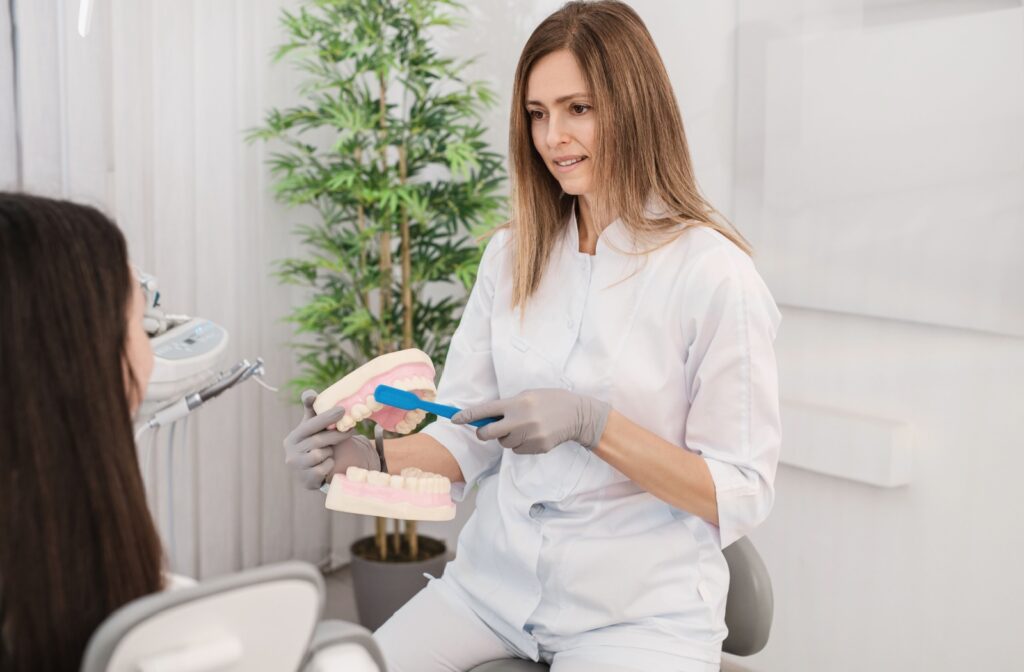
Brush gently using a soft-bristle toothbrush to clean your teeth, avoiding the implant area during the first few days
Rinse with care using an antibacterial mouthwash or a saltwater rinse to keep the surgical site clean, as instructed by your dentist.
Avoid alcohol-based mouthwash, which can irritate the tissue
Floss daily with your dentist’s approval to maintain gum health around the implant
Recognizing Signs of Complications
Although most dental implant surgeries go smoothly, complications can occasionally occur. Remain vigilant and contact your dentist if you experience any of the following:
Severe or persistent discomfort lasting beyond a few days
Excessive swelling or bleeding that doesn’t improve over time
Signs of infection, such as fever, pus, or bad breath
A loose implant or mobility in the surrounding teeth
Early intervention can prevent minor issues from developing into significant complications.
Supporting Your Recovery & Your Smile
Properly caring for your dental implants during recovery sets the foundation for long-term success. From immediate post-op care to recognizing signs of complications, every step you take matters.
Remember, healing is a process that requires patience—but the results are well worth the effort. By following these tips for dental implant aftercare, you’re setting yourself up for a lifetime of benefits from your new smile.
Contact our team at Happy Sapiens Dental today for personalized advice and care. We’re happy to answer your questions or book an appointment with one of our dentists.
Dental Implant Healing Time: What to Expect from the Procedure
Everyone’s experience with dental implants is different. Typically, dental implants require a healing period of 3 to 6 months, during which the implant fuses with the jawbone to create a stable foundation for a replacement tooth. This process, known as osseointegration, is essential for ensuring the implant is strong enough to support a crown, bridge, or denture.
While dental implants are considered a long-term solution for tooth loss, understanding the stages of healing and what to expect throughout recovery can help patients feel confident and prepared for the journey.
What Are Dental Implants?
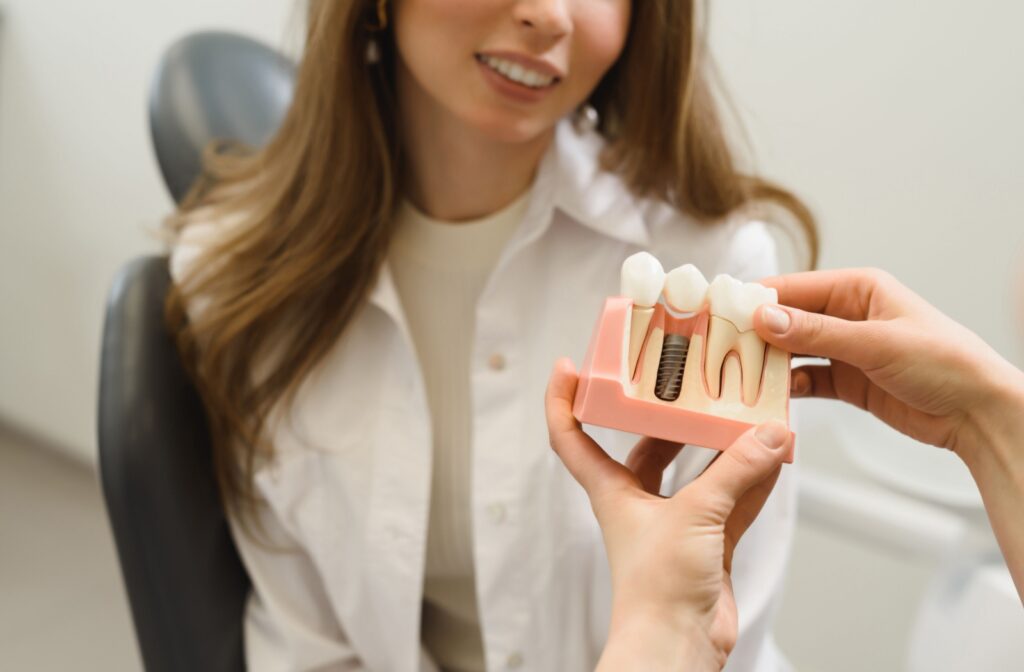
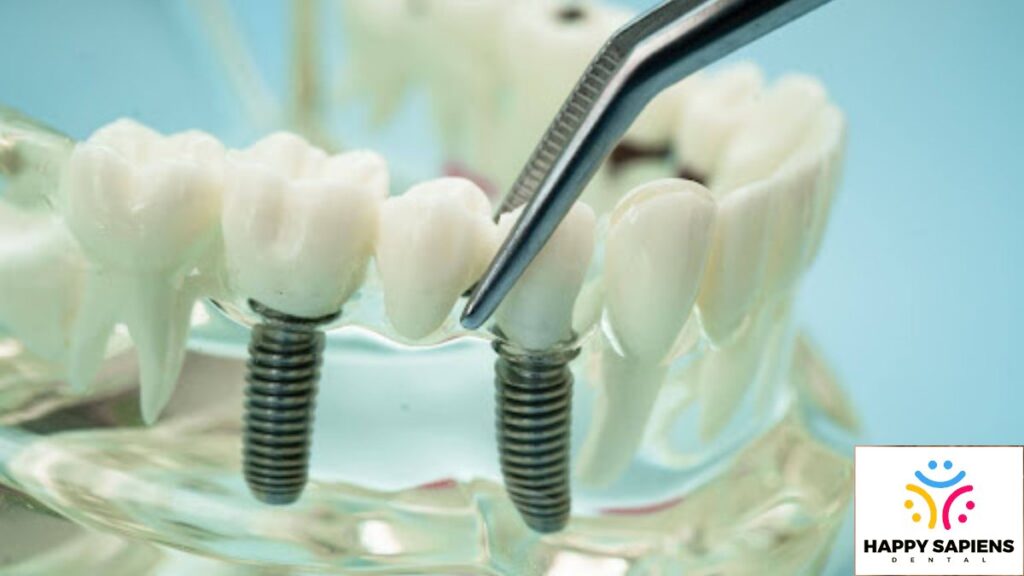
Dental implants are small titanium posts surgically placed into the jawbone to replace the roots of missing teeth. They serve as a secure base for attaching an artificial tooth, such as a crown, bridge, or denture.
Unlike traditional dentures or bridges, implants are designed to integrate with the jawbone, making them a permanent solution that closely mimics natural teeth in appearance and function.
How Long Does It Take for Dental Implants to Heal?
The full dental implant healing process typically takes 3 to 9 months, depending on factors like bone health and oral hygiene. While the surgical site often feels better within a week or two, the internal healing process is more gradual as the implant fuses with the bone.
Stage 1: Immediate Recovery (First 1 to 2 Weeks)
Immediately after your dental implant procedure, you can expect:
Swelling and minor bruising around the implant site
Mild discomfort or soreness
Small amounts of bleeding for the first 24 to 48 hours
Soft tissue healing begins during this stage
These initial symptoms typically subside within a few days. Most patients can return to work and normal daily activities after 2 to 3 days, though avoiding strenuous exercise during the first week is advised.
To support healing, be sure to:
Use ice packs to reduce swelling.
Take pain medication as prescribed or recommended.
Eat soft foods such as yogurt, mashed potatoes, and soup.
Avoid hard, crunchy, or sticky foods that could disturb the implant.
Maintain oral hygiene by gently brushing around the surgical area and using an antimicrobial mouth rinse.
Stage 2: Osseointegration (3 to 6 Months)
Osseointegration is the process where the dental implant fuses with the surrounding jawbone. This phase is crucial because it determines the implant’s stability and long-term success.
At this stage, you can expect:
No significant pain or discomfort
Bone tissue gradually growing around the implant
Routine checkups with the dentist to monitor progress
The osseointegration phase takes approximately 3 to 6 months, though the exact duration depends on factors like bone density, oral health, and whether any bone grafting was needed before the implant procedure.
Stage 3: Abutment Placement (1 to 2 Weeks)
The next step is placing the abutment—the piece that connects the implant to the replacement tooth.
During the placement, you can expect:
A minor procedure under local anesthesia
Some mild gum soreness for 1 to 2 weeks as the soft tissue heals around the abutment
Once the gums have healed, impressions are taken to create the custom crown, bridge, or denture.
Stage 4: Final Restoration (After Healing Is Complete)
The final stage involves placing the permanent replacement tooth onto the abutment. This completes the dental implant process, restoring the appearance and function of the patient’s smile.
During the final restoration, you can expect:
The artificial tooth to be matched to the color and shape of your natural teeth
For normal eating and speaking functions to resume
Some mild adjustment as the mouth adapts to the new tooth
What Factors Can Affect Dental Implant Healing Time?
While most patients heal within the average 3 to 6 months, certain factors can extend the timeline, like:
Bone density & grafting. Patients who have experienced bone loss may require a bone graft before implant placement. As an additional procedure, a bone graft can extend healing severalmonths before implant surgery.
Overall health. Conditions like diabetes, autoimmune disorders, or smoking can slow healing and increase the risk of complications. Patients with these conditions may require closer monitoring.
Oral hygiene. Keeping the implant site clean reduces the risk of infection and supports healing. Poor oral hygiene can lead to complications such as peri-implantitis, which can threaten the implant’s success.
How Can You Support a Smooth Recovery?
You play a key role in ensuring your dental implant heals successfully. Following these guidelines can help you promote proper healing and recovery:
Followall post-surgery instructions provided by your dentist.
Avoid smoking, which restricts blood flow, slowing healing.
Difficulty chewing after the initial healing period
Restore Your Smile with Happy Sapiens Dental
Dental implants can offer a permanent solution to replace missing teeth, but understanding the healing process is key to ensuring success. The average healing timeline is about 3 to 6 months, and with proper care at each stage, you can help support osseointegration and reduce the risk of complications.
If you are considering dental implants or have questions about the healing process, our experienced team at Happy Sapiens Dental is here to help. We provide personalized care to guide you through every stage, from surgery to final restoration.
Schedule an appointment with Happy Sapiens Dental in Pinehurst or The Woodlands today to begin your dental implant journey and restore your confident smile.
How Can I Prevent Gum Infections?
Gum infection occurs when the soft tissue around teeth gets damaged due to the buildup of harmful bacteria. Also referred to as “gum disease” or “periodontal disease,” this oral health issue can be prevented with good oral hygiene practices.
Plaque is a sticky film that builds up on the surfaces of teeth. It’s made up of food deposits, mucus, and harmful bacteria. When not removed, plaque calcifies and turns into tartar, giving bad bacteria more opportunities to multiply and spread. As plaque and tartar remain in the mouth, they irritate the gums, leading to infection.
The mouth is naturally filled with bacteria. Sugar and starchy deposits serve as food for harmful bacteria, accelerating their growth. The good news is, gum infections can be prevented. You can keep your gum tissues healthy with the help of these tips.
Boost Your Oral Hygiene Routine
Daily brushing and flossing can help protect your mouth against gum disease. Brushing twice daily—in the morning and before sleeping—can get rid of plaque buildup on teeth and keep food deposits from getting stuck.Consider using a toothbrush with soft bristles and a small head so you can reach farther areas and preserve the enamel. Aggressive brushing or brushing too hard can cause the gums to recede and leave spaces where deposits can get trapped.
Floss Daily
Several studies show that regular flossing reduces gum disease as compared to brushing alone.This habit gets rid of food debris and plaque on teeth and along the gumline, areas that the toothbrush won’t reach. More debris removed means there is less chance of developing bad breath and irritating the gums.Flossing at least once a day before brushing or before bedtime keeps plaque from accumulating. You may consult your dentist about the different types of floss and which one is the most appropriate for your needs.
Quit Smoking
Smoking makes a person twice as likely to develop gum disease as compared to nonsmokers.Bacterial plaque is more likely to accumulate among smokers. The longer a person smokes, the higher their chances of getting an oral health disease. Tobacco also weakens the immune system.The carbon monoxide in their bloodstream makes it harder to deliver oxygen to the different body parts. This interferes with the body’s ability to fight infections and recover from damage.
Limit Your Intake of Sugary and Starchy Foods
Harmful bacteria feed on sugary and starchy foods. Avoid snacking on these food types and limit your daily intake.Indulge in sweets during mealtimes when saliva production is high. The longer these deposits stay in the mouth, the more plaque is produced in the mouth as well.
Clean Dental Appliances
If you’re wearing dentures or any removable oral appliance, make sure to clean them properly.Debris and plaque can also build up on these devices and increase your chances of developing gum infections.Follow care instructions from your dentist to extend the lifespan of your device and protect your oral health.
Drink Plenty of Water
Not everyone is fond of drinking plain water. But this is one of the simplest ways to prevent gum infections and boost your dental care routine.Water keeps the mouth moist and strengthens the enamel against acid attacks. It helps dislodge food that otherwise could get trapped and reduces acid levels in the mouth.Drinking water after meals also keeps food deposits from settling on teeth. It is important to note that brushing right away isn’t ideal, as it can contribute to enamel erosion. For the best results, it is best to wait at least 30 minutes after a meal to brush teeth.
Finally, Seek the Advice of an Oral Healthcare Professional
If you have a medical condition or are at an increased risk of developing gum disease, it helps to work closely with the dentist so they can monitor your oral health. They can also provide you with tailored recommendations for boosting your dental care routine.
Are You Looking to See a Dentist in Pinehurst and Woodlands, TX?
Anyone can have their tooth knocked out. It may feel like there’s nothing that can be done to fix it, but the proper steps and quick action can still save it and make it last for years.
The first thing to do is move quickly so your dentist can help fix the tooth. It’s a dental emergency, so if the dental office is open, chances are you can book a visit on the same day.
What You Can Do to Boost Your Chances of Saving a Knocked-Out Tooth
First, pick up the tooth. Do not hold it by its roots. Instead, hold it by its crown or its visible part.
Rinse it with plain water if it has dust or debris, but don’t brush it or wipe it with tissue.
Try to reinsert it and bite down on it to keep it in place.
You may also submerge it in milk to keep it moist. If milk isn’t available, you may use your saliva. Spit it in a glass or container and place the tooth inside. Don’t let the tooth dry out.
If it’s a baby tooth, keep it in a container and bring it to the dental office as soon as possible. Reattaching it may damage the tooth underneath it.
How a Dentist Addresses a Knocked-Out Tooth
Once you’re at the dental office, your dentist may take the following steps:
If you reinserted the tooth yourself, your dentist will check its position to ensure it’s properly attached. If you placed it in a glass of milk or saliva, they‘ll try putting the tooth back into the socket.
Your dentist will use water to clean out the space between your teeth. The tooth will then be put back in its original position. The best time to ensure a successful reattachment is within an hour of the accident.
To put the tooth back in place, your dentist will use a soft wire or composite material to “splint” or connect it to the teeth on either side. This will be used for a few days to secure the teeth. Your dentist will decide how long you need to wear the splint.
After two weeks, they’ll take an X-ray to ensure the tooth is properly secured and in the right place.
In some cases, it’s easy to put the tooth back together. The chances of getting this done successfully are higher if you make it to the dental office quickly.
If a tooth or bone is broken, reattachment can be difficult. A root canal therapy may be done right away, or the dentist may decide to wait. How long the tooth has been out of the mouth and other factors will affect the appropriate course of action.
If the bone around the tooth is intact, the root will generally reattach to the bone firmly in 3-4 weeks. It could take 6-8 weeks to fix if there’s more damage.
In 3-6 months, your dentist will likely schedule you for an assessment to check the condition of the tooth. If the tooth is attaching properly, the next time you’ll need to go to the dental office is for your annual checkup.
You’ll need to come back sooner if there are signs of an infection. Your dentist will check the tooth from time to time over the next few years to make sure it’s still in place.
How Important Is the Condition of Your Child’s Baby Teeth?
Dental pain is common and often a symptom of a dental problem or issue. It can affect people of all ages and vary depending on various factors, including access to dental care and oral hygiene practices.
What Causes Dental Pain?
The following may cause dental pain: bruxism, dental abscess, tooth decay, and tooth sensitivity. Let’s discuss them one by one.
Bruxism
Do you grind your teeth a lot? Then you may have bruxism. It’s often linked to stress, anxiety, sleep problems, smoking, alcohol consumption, and taking certain medicines. While occasionally grinding your teeth won’t do you any harm, regularly grinding your teeth can start hurting your teeth, jaw muscles, and temporomandibular joints.
Bruxism or teeth grinding can happen when you’re awake or asleep, and regardless of when it happens, it can cause several problems, such as wearing down of teeth, tooth loss, fractured teeth, and aesthetic problems.
Dental Abscess
A dental abscess is an infection that happens when your tooth is filled with pus and other infected material, and pain is its main symptom. Other symptoms may include bad breath, fever, sensitivity to hot or cold temperatures, red gums, swollen glands in the neck, and a swollen upper or lower jaw.
It is always best to see a dentist if you have any symptoms of a dental abscess, as it will not go away on its own. However, in cases where you can’t meet your dentist right away, you can use over-the-counter pain relievers as temporary relief.
Tooth Decay
Tooth decay is a common cause of dental pain, and it typically happens when the enamel, or outer protective layer, of your tooth is damaged due to acid produced by bacteria or poor oral hygiene. There are five main stages of tooth decay, namely: initial demineralization, enamel decay, dentin decay, pulp damage, and abscess. It is usually the last two stages that can lead to severe pain.
Common signs and symptoms of tooth decay include toothaches, visible discoloration, bad breath, changes in tooth texture, and gum irritation, among others.
Toooth Sensitivity
As its name suggests, tooth sensitivity refers to the pain experienced in the teeth as a response to specific triggers, such as hot and cold foods and beverages, cold air, sweet foods and beverages, and cold water.
Having sensitive teeth can cause sharp and temporary pain in your teeth. And the level of pain can vary, from mild discomfort to more intense pain. Also, the pain can be temporary or persistent, depending on the underlying reasons and its severity.
Get Rid of Dental Pain
Baby teeth, or primary teeth, are the first set of teeth to erupt. Even though they eventually fall out, this doesn’t mean they’re less important or unimportant. They serve a crucial role in a child’s oral and overall development.
Here are six reasons why caring for baby teeth is important:
Preserving Space for Adult TeethPremature loss of baby teeth can cause surrounding teeth to move and occupy the gap left behind by the missing tooth. This can impact tooth alignment and lead to crooked or crowded teeth.There may no longer be adequate space for adult teeth once they’re ready to erupt. As a result, they might emerge in a less-than-ideal position. Misaligned teeth can make an individual more prone to dental problems and injuries.Keeping baby teeth healthy and ensuring they stay in place until they’re ready to fall out can contribute to long-term good oral health.
Facilitating Speech DevelopmentLearning to speak is one of the most important developmental milestones in children. The ability to pronounce sounds and syllables properly can be influenced by the position of the tongue and teeth.The absence of baby teeth can make it difficult for a child to create certain sounds and this can affect their confidence. If a child is unable to speak clearly, it may be difficult for others to understand them.Ensuring proper dental care can help a child avoid speech problems and allow them to express themselves or communicate more effectively.
Ensuring Proper Chewing Abilities and NutritionDamaged or missing teeth can restrict a child’s dietary preferences. Sore teeth, for instance, may cause them to prefer soft food that doesn’t require heavy chewing.They may also shy away from unfamiliar food textures. This can impact the nutrition their body is receiving. Healthy teeth enable a child to chew and digest their food properly, thereby facilitating the body’s absorption of beneficial nutrients.If a child’s chewing abilities prevent them from trying fruits, vegetables, and other nutritious foods, this can also affect their overall health.
Establishing Good Oral Hygiene HabitsExposing children to dental care from an early age will help them establish good habits, which they can carry into adulthood. Cleaning their mouth and helping them brush and floss their teeth will familiarize them with dental care and teach them its importance.If a child understands why these practices are essential, chances are they will be less resistant to them, including routine dental visits. They may become more receptive and cooperative to having their mouth cleaned.
Avoiding Dental ProblemsBadly decayed teeth may need to be extracted, and the procedure can be overwhelming for small children. Healthy and aligned teeth are easier to clean.Additionally, they are also likely to stay in place until it’s time for the adult teeth to erupt. This can help ensure a uniform size and shape for the permanent teeth and, consequently, lovely smiles for your child.If there are gaps between teeth, crowding, or crooked teeth, a child may require orthodontic procedures in the future.
Boosting ConfidenceTooth decay and cavities may keep a child from interacting with their peers due to fear of being teased.Keeping their teeth healthy will help them enjoy positive social experiences. It will also allow them to feel good about themselves and their appearance.
Thinking of Taking Your Child to Their First Dental Office Visit?
There’s never a bad time to see the dentist. Because, if not properly cared for, baby teeth can develop problems just like adult teeth. If you’re seeking dental care services for children in Pinehurst and Woodlands, TX, get in touch with us at Happy Sapiens Dental. Our dental team works together to make visits as relaxed as possible for children. Talk to us to learn more about what you can expect from your child’s first dental visit. We’re also happy to answer any questions you may have regarding caring for your child’s smile.
Everything You Need to Know About Dental Pain
Dental pain is common and often a symptom of a dental problem or issue. It can affect people of all ages and vary depending on various factors, including access to dental care and oral hygiene practices.
What Causes Dental Pain?
The following may cause dental pain: bruxism, dental abscess, tooth decay, and tooth sensitivity. Let’s discuss them one by one.
Bruxism
Do you grind your teeth a lot? Then you may have bruxism. It’s often linked to stress, anxiety, sleep problems, smoking, alcohol consumption, and taking certain medicines. While occasionally grinding your teeth won’t do you any harm, regularly grinding your teeth can start hurting your teeth, jaw muscles, and temporomandibular joints.
Bruxism or teeth grinding can happen when you’re awake or asleep, and regardless of when it happens, it can cause several problems, such as wearing down of teeth, tooth loss, fractured teeth, and aesthetic problems.
Dental Abscess
A dental abscess is an infection that happens when your tooth is filled with pus and other infected material, and pain is its main symptom. Other symptoms may include bad breath, fever, sensitivity to hot or cold temperatures, red gums, swollen glands in the neck, and a swollen upper or lower jaw.
It is always best to see a dentist if you have any symptoms of a dental abscess, as it will not go away on its own. However, in cases where you can’t meet your dentist right away, you can use over-the-counter pain relievers as temporary relief.
Tooth Decay
Tooth decay is a common cause of dental pain, and it typically happens when the enamel, or outer protective layer, of your tooth is damaged due to acid produced by bacteria or poor oral hygiene. There are five main stages of tooth decay, namely: initial demineralization, enamel decay, dentin decay, pulp damage, and abscess. It is usually the last two stages that can lead to severe pain.
Common signs and symptoms of tooth decay include toothaches, visible discoloration, bad breath, changes in tooth texture, and gum irritation, among others.
Toooth Sensitivity
As its name suggests, tooth sensitivity refers to the pain experienced in the teeth as a response to specific triggers, such as hot and cold foods and beverages, cold air, sweet foods and beverages, and cold water.
Having sensitive teeth can cause sharp and temporary pain in your teeth. And the level of pain can vary, from mild discomfort to more intense pain. Also, the pain can be temporary or persistent, depending on the underlying reasons and its severity.
Get Rid of Dental Pain
You should never ignore dental pain, especially if you experience persistent pain or discomfort. This could indicate an underlying problem. That’s why it’s important to visit a dentist for proper diagnosis and treatment. If you’re near Pinehurst or The Woodlands, you may consult one of the dentists at Happy Sapiens Dentals. Always remember that dental pain prevention starts with proper dental care. Contact us at (281) 356-3351 or (281) 367-3685 today to discuss your dental needs.
Dispel Misconceptions: 8 Common Myths About Dental Care
People have unique dental care needs, so there’s no one-size-fits-all oral health solution. There are a lot of free resources about dental care, so be cautious of what you listen to or believe. The best people to talk to for a professional opinion are dental professionals.
Here are some common myths about dental care:
You should go to the dentist only if your teeth hurt.Dental visits must be done routinely, or every 6 months for most people. The frequency of your recommended dental visits can increase depending on your oral and general health.These appointments allow your dentist and hygienist to monitor your mouth, spot any irregularities, and provide necessary treatments before issues progress.
Brushing harder cleans the teeth better.Contrary to what others may think, aggressive brushing doesn’t clean the mouth better. Brushing too hard can be harmful, as it strips away the enamel, or the protective layer of the teeth.Brushing right after eating makes the enamel even more vulnerable to erosion. Instead of brushing harder, switch to a soft-bristled brush and ensure you are following proper brushing techniques.Your dental hygienist can show you how to brush your teeth properly.
Flossing isn’t necessary.Flossing removes debris from hard-to-reach areas that a toothbrush cannot access. Leaving these deposits in your mouth can increase your risk of developing tartar and gum disease.Harmful bacteria feed on food deposits and produce acids that wear down the enamel. Flossing makes your dental hygiene routine at home more effective. It’s the perfect supplement for daily brushing.
Sugar causes cavities.People often warn against consuming anything sugary because it results in cavities.But sugar, per se, isn’t the culprit. It’s the harmful bacteria that linger in the mouth and feast on sugary and starchy food deposits. As a result, these bacteria produce acids that eat away at the enamel.Moderating or limiting your intake of sugary foods may mean nothing without a solid dental hygiene routine.
Pregnant women must not see the dentist.Expecting women may hesitate to visit the dentist because common dental myths say it’s dangerous. However, pregnant women need regular dental appointments because their risk of developing dental problems can increase during this phase in their lives.Hormonal imbalances can make them more susceptible to gum disease. If you’re expecting or planning to get pregnant, inform your dentist so they can give you the extra care and attention you need.They can guide you about which dental treatments are necessary and which ones can wait until after delivery. They’ll only request X-rays when needed and take precautions to protect you and your fetus.
Baby teeth aren’t important.Baby teeth matter because they save space for adult teeth. They guide the adult teeth once they’re ready to erupt and ensure they come to their ideal position.Premature loss of baby teeth can cause adjacent teeth to shift and result in partial eruption or impacted adult teeth.Baby teeth also aid in proper chewing and speech development. Children may struggle to pronounce certain sounds or words and feel self-conscious if they have missing or misaligned teeth.
White teeth are healthy.Although white teeth can look attractive, they aren’t a reliable indicator of dental health. White marks on the teeth can be a sign of a dental problem called “fluorosis,” which occurs due to excessive fluoride consumption.In addition, not everyone is born with that brilliant smile. There are options to lighten the shade of teeth at the dental office, but first, your oral health has to be in good condition. Discoloration occurs for various reasons, such as genetic factors.
Oral health isn’t connected to the body.Good oral health is critical to maintaining well-being. The mouth shouldn’t be treated separately from the body.Harmful bacteria in the mouth can find their way to other body parts and cause problems. That’s why it’s essential for those diagnosed with medical conditions to have regular dental visits.While further studies are needed to explore the relationship of oral health with health conditions, it isn’t a secret that a severe toothache can interfere with a person’s daily functions and activities.
Routine Dental Checkups Shed Light on Common Misconceptions About Dental Care
Look into facts about dental care so you can protect your smile better.
Being proactive about your oral health can save you a ton of dental visits in the long run. You may not think much about seeing the dentist when making plans for the year, but prioritizing dental care will allow you to focus better on the rest of your goals.
Cavities, otherwise known as dental caries, are caused by bacteria that inhabit the mouth and turn sugars into acids that break down tooth enamel. Cavities can cause pain and discomfort and if left untreated they can lead to infection and the need for more serious dental care. In this blog post, we’ll cover everything you need to know about cavities so you can make sure your teeth stay healthy and strong!
The first thing to know about cavities is that regular brushing and flossing are essential for preventing them. Brushing twice a day with toothpaste that contains fluoride removes plaque from your teeth and helps prevent cavities. Flossing daily will also help remove food particles from between your teeth which can lead to cavity formation over time.
It’s also important to watch what you eat. Sugary snacks, sodas, starchy foods, alcohol, tobacco products, acidic foods, and sticky candy are all culprits when it comes to cavity formation. Eating a balanced diet with plenty of fruits and vegetables will help reduce your risk of cavities.
If you do develop a cavity, it’s important to get it treated as soon as possible. The most common treatment is filling in the decayed area with a special material such as silver amalgam or composite resin. Other treatments may include crowns or root canals depending on the severity of the decay.
To sum it up, cavities are an unfortunate part of life for many people but there are steps you can take to prevent them from happening in the first place! Make sure to brush twice a day with fluoride toothpaste, floss daily, watch what you eat, and see your dentist regularly for checkups so any cavities can be caught early before they become worse. If you think you may have a cavity, call us today so we can diagnose and create the best plan to care for you and your oral health.
How cancer treatments can impact dental health
Cancer treatments can lead to mouth complications that range from minor to severe. Not all those receiving treatments will be affected. Still, it’s important to work with your dental team along with your primary healthcare provider for your treatment plans.
Your mouth plays a huge role in your general health. A sore mouth can lead to speaking, chewing, or swallowing difficulties. It can interfere with your basic functions. Keeping your dentist updated with your health conditions and cancer treatments will help them respond better to your needs.
In this post, we talk about the possible effects of cancer treatments on your oral health and why routine dental visits are necessary. Let’s start.
Types of oral side effects that cancer treatments can cause
Dry mouth. Medications and radiation therapy may leave your mouth dry. But you need salivary flow in your mouth to neutralize acid levels and strengthen the enamel. Stay hydrated by drinking plenty of water. Avoid or limit your intake of beverages, such as caffeinated drinks, that can trigger a dry mouth.
Increased risk of gum disease. Radiation therapy can make your saliva thick and sticky, and this can increase your risk of developing tooth decay and gum disease. Maintaining good oral hygiene habits is essential to protect the teeth and gums, along with controlling sugar intake. You may need fluoride treatments during your routine dental visits to boost enamel defense.
Mouth sores. Chemotherapy and radiation target abnormal cell growth, but they can also kill cells that line the mouth. This can result in sores on the tongue, cheeks, or floor of the mouth. Avoiding spicy and crunchy foods can prevent irritating sores further.
Stiff jaw. Radiation therapy can scar and stiffen tissues in the jaw muscles. This can make it hard to move your jaw or open your mouth. Relaxation exercises and stretching may help ease discomfort. Talk to your doctor for tips so you can manage side effects safely.
Can I prevent the side effects of cancer treatments on the mouth?
Some side effects of cancer treatments begin after the treatments. And some are temporary. Frequent treatments may also increase the risks of developing associated oral health problems, so it helps to inform your dentist before proceeding with any procedure.
This will allow them to monitor your oral health, prevent potential problems from developing, and provide immediate treatment if an issue does arise.
For example, they can take a closer look at your dental appliance to ensure it doesn’t irritate your mouth, including your tongue or cheeks. They can also coordinate with your doctor to plan your care program before, during, and after treatments.
Here are a few tips to avoid side effects and keep your oral health in good condition.
Brush and floss daily. Medications and treatments may leave your gums tender or sensitive. Use a soft-bristled toothbrush to avoid irritation or too much pressure on your teeth and gums. Seek advice from your dentist if your gum bleeds when you brush or floss.
Maintain a balanced diet. You’ll need nutrition from various food groups to boost your oral health, immune system, and body as a whole. Before trying supplements, check with your doctor if they’re safe for use.
Pay attention to your food choices. Avoid or limit the consumption of alcoholic and caffeinated beverages because they can exacerbate the side effects of cancer treatments. Treatments can alter your sense of taste, so be cautious about your food choices. Extreme temperatures or flavors may irritate your taste buds. Opt for mild flavors and soft textures instead of going for spicy and crunchy food.
Keeping teeth and gums healthy while receiving cancer treatments
Your teeth and gums may not be your priority if you’re dealing with a health condition. But it’s worth your time if your goal is to get better.
Taking care of your mouth now, even if you don’t notice any treatment side effects, will help you save more time and effort in the long run. Preventative measures are simpler and more affordable than corrective procedures. By working closely with your dental team, you can keep your oral health in good condition and make the experience pleasant. If you or a family member receiving cancer treatments needs dental care assistance, our Pinehurst and Woodland offices are ready to serve you. Contact us today to speak with one of our team members about your inquiry. Or request an appointment online to see a dentist in any of our Texas locations.
What is a dry socket?
A blood clot forms at the extraction site after a tooth is removed. It protects the nerves and bone beneath and serves as the foundation for new bone growth. However, in some cases, the blood clot doesn’t form properly or gets dislodged, which leads to a dry socket.
A dry socket can be very uncomfortable because it leaves the bone and nerves exposed. It’s a common complication after getting a tooth removed, but it’s still rare. In a 2016 study involving 2214 patients, the overall incidence rate of dry socket was 1.8%.
Taking over-the-counter medication may not be enough to treat a dry socket, so it’s important to seek assistance from your dental team.
Dry socket symptoms
Here are some signs you may have a dry socket.
Bone-like appearance in the extraction site
Severe pain radiating to the neck and ears, about 2-3 days after the removal
Unpleasant taste
Tenderness
Bad breath
What does a dry socket feel like?
A dry socket can trigger intense pain, especially after taking a cold beverage or exposing teeth in cold air. The pain can travel to your eyes, ears, and neck.
How is a dry socket diagnosed?
A dry socket may heal on its own, but it’s still best to have your dentist take a look at it. Through a visual examination, they’ll be able to confirm if it’s a dry socket and help speed up the treatment time.
Who can get a dental socket?
The following factors may make a person more likely to experience a dental socket.
Similar experience. It’s possible to have a dry socket after a tooth extraction if you’ve already experienced it before.
Being female. Studies (1,2) show women are more likely to develop a dry socket.
Poor oral hygiene. Not caring for the extraction site properly or poor oral hygiene can increase the risk of bacterial contamination.
Smoking. Tobacco products can slow down healing, and the smoking or sucking sensation can also cause the blood clot to dislodge.
Taking birth control. High estrogen levels in contraceptives may interfere with the healing process.
Trauma in the area. Pressure on the area or accidentally poking it with a brush may also remove the blood clot.
Aggressive swishing or gargling. The gargling motion can loosen the blood clot.
It helps to advise your dentist if you’ve already had a dry socket before, since this can increase your chances of developing it again. They won’t be able to prevent it from occurring, but they’ll can help expedite treatments.
Can I prevent having a dry socket?
The following tips can help minimize risks of having a dry socket:
Follow the postoperative care instructions provided by your dentist.
Talk to your dentist about nicotine management.
Limit or avoid smoking before and after your tooth removal.
Avoid drinking warm or carbonated beverages.
Avoid drinking through a straw any sipping or sucking motion.
Stick to soft food while the area is healing.
Treating a dry socket in Pinehurst or Woodlands, Texas
A dry socket can lead to severe pain, but there are ways to find relief fast. Our team at Happy Sapiens Dental in Texas is happy to help if you feel you may have a dry socket. We provide dental emergency services and do our best to see you right away.